Image: Adolfo Lujan/Flickr
10. Reduced inequalities

10. Reduced inequalities

The international community has made significant strides towards lifting people out of poverty. The most vulnerable nations – the least developed countries, the landlocked developing countries and the small island developing states – continue to make inroads into poverty reduction. However, inequality still persists and large disparities remain in access to health and education services and other assets. To reduce inequality, policies should be universal in principle paying attention to the needs of disadvantaged and marginalized populations.

Read our stories to learn more about SDG Goal 10: Reduced inequalities

Image: CP DC Press/Shutterstock
Image: Pexels/Pixabay
Image: U.S. Agency for International Development
Image: Steve Evans/Flickr

To adopt SDG 10 Reduced inequalities, in support of the 17 Sustainable Development Goals, please contact us at partners@eco-business.com

Adopt this goal

News

Microplastics_Year_End_2025
New studies reveal plastic particles infiltrating human bodies, food systems and even the planet’s most remote ecosystems.
Data_Center_Climate_Impacts
Gen Z protests, internet shutdowns, surveillance and AI: looking into the digital landscape of 2026.
Womens_Health_Rights_Climate_Myanmar
A growing body of evidence shows that reproductive health risks rise with climate change in Asia, as experts urge inclusion of reproductive health in climate financing.
Gen_Z_Protest_Indonesia
Gen Z protesters are shaking governments worldwide but experts wonder if rage can lead to lasting reform.
All Reduced inequalities News →
Opinion

Womens_Rights_2025_Rohingya_Woman
Progress is fragile and 2026 must be the year of action and accountability on gender rights.
Textile_Workers_Rights_Adaptation
COP30 agreed to triple adaptation finance, but the fashion industry needs adaptation measures now.
Climate_Inequality_Crosswalk_India
Economic liberalisation in India has shifted the emissions burden from more equal and developed states to less equal ones. This needs to change.
Food_Waste_Market_India
India’s colossal food waste problem is both a symptom and a significant accelerator of the climate crisis.
All Reduced inequalities Opinion →

Videos

Fireside chat with Dr Mark Konyn, AIA group chief investment officer
In this wide-ranging fireside chat moderated by Eco-Business CEO Jessica Cheam, AIA Group's chief investment officer Dr Mark Konyn asserts there is “no U-turn” among corporates invested for the long term, even as political regimes change amid a new world order.
KAS video intro
EB Studio From sponge cities to coastal forests, Asia is seeking ways to work with nature and prepare for the risks in a warmer-than-expected future. This Eco-Business video looks at what else cities need to do to strengthen climate resilience.
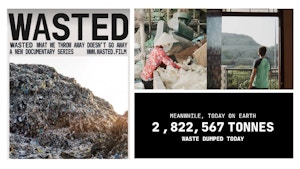
'Wasted' documentary
Launched as policymakers lock horns with petrochemicals lobbyists over a treaty to end plastic pollution, the documentary produced by Eco-Business asks why opportunities to solve humanity's waste crisis are being wasted. It will premiere in Singapore and screen on the sidelines of the upcoming COP28 climate summit.
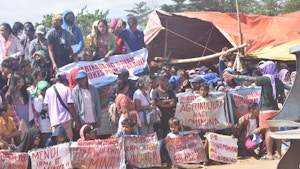
Brookes Point human barricade
Video footage appears to show protestors, who were demonstrating against mining operations, being dragged away by police near Ipilan Nickel Mine in Brooke’s Point, Palawan. Mining insiders are calling for maximum tolerance in similar standoffs.
All Reduced inequalities Videos →

Podcasts

COP30 podcast cover
Getting climate finance on the agenda for COP30 negotiations is expected to be contentious. This article features the first half of a conversation with two veteran attendees of the annual United Nations climate conference.
Asean logo
The region has been historically underrepresented in leadership at global standard setters like the World Bank and International Monetary Fund. Sharath Martin, who holds positions in global accounting body ACCA and WWF-Malaysia, tells the Eco-Business Podcast what must change.
Typhoon Wipha flooding_Philippines
The chief of a Manila-based nonprofit that advocates for climate finance transparency tells the EB Podcast that so-called Filipino resilience to natural disasters should not be an “excuse” for developers to dodge accountability for substandard flood control projects.
Ani Dasgupta, CEO of World Resources Institute
The chief executive of World Resources Institute also told the Eco-Business Podcast that the gutting of USAID is less of a concern than how to unlock private capital for climate and nature in developing countries.
All Reduced inequalities Podcasts →